

Key takeaways
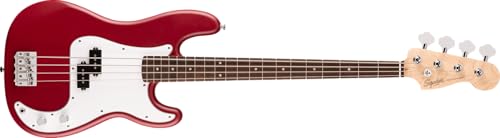
- First bass, limited budget: A Squier Sonic Precision Bass is a sensible starting point. Its split-coil pickup and passive controls keep the signal path simple, and the standard scale makes it easy to compare with other basses later. Set aside money for a strap, tuner, cable, and a professional setup if the action feels uncomfortable.
- Smaller hands or a compact instrument: The Ibanez GSRM20 Mikro’s 28.6-inch scale shortens the distance between frets. That can make stretches easier, but it also changes string tension and fret spacing. If you already play full-scale bass, try one before buying: the compact reach may feel crowded, and the shorter scale gives notes a different response.
- One bass for varied tones: The Squier Classic Vibe ’60s Jazz Bass pairs a narrower-feeling neck with two pickups and separate volume controls. Blending the pickups gives more tonal options than a single-pickup design, though its single-coils can pick up more electrical hum in some rooms.
- Modern sound and onboard adjustment: The Yamaha TRBX304 uses active electronics and humbuckers. Its EQ can shape the sound at the instrument, which is useful when switching between musical settings. Active circuits need a battery, so carry a spare and unplug the cable when the bass is stored.
- Low notes for heavier or extended-range parts: The five-string Ibanez SR305E adds a low B string. It is a practical choice if your arrangements use notes below a four-string’s low E, but the wider neck and extra string require a little adaptation. A five-string is not automatically better if you rarely use the range.
Best Electric Bass Guitars for Every Playing Style
The best electric bass guitar depends on how you play: choose a short-scale model for a compact feel, a Precision-style bass for a direct, dependable sound, a Jazz-style bass for a slimmer neck and tonal range, or an active five-string for extended low notes and flexible electronics. For most first-time players, a standard 34-inch, four-string bass with passive pickups is the easiest balance of familiar feel, manageable upkeep, and value.
Quick comparison
Weights below are approximate: wood density, hardware, finish, and individual instruments make a noticeable difference. Prices are broad US market ranges for new instruments in 2026, not fixed quotes; used prices and regional availability vary.
Our top picks


As an Amazon Associate we earn from qualifying purchases at no extra cost to you. Ratings are shown as listed on Amazon.
| Type and example | Scale and strings | Pickup and electronics | Typical weight | Approx. new price | Best fit |
|---|---|---|---|---|---|
| Squier Sonic Precision Bass | 34 in; 4 | Split-coil; passive | About 8–10 lb | $200–$300 | Beginners and straightforward rock, pop, and punk |
| Squier Classic Vibe ’60s Jazz Bass | 34 in; 4 | Two single-coils; passive | About 9–11 lb | $450–$600 | Players wanting a slim neck and varied tones |
| Ibanez GSRM20 Mikro | 28.6 in; 4 | Two single-coils; passive | About 7–8 lb | $200–$300 | Smaller reach, travel, and compact practice spaces |
| Yamaha TRBX304 | 34 in; 4 | Two humbuckers; active EQ | About 8–10 lb | $350–$500 | Players who want a comfortable body and onboard tone shaping |
| Ibanez SR305E | 34 in; 5 | Two humbuckers; active EQ | About 8–10 lb | $400–$600 | Modern styles and access to a low B string |
Choose by your playing situation
- First bass, limited budget: A Squier Sonic Precision Bass is a sensible starting point. Its split-coil pickup and passive controls keep the signal path simple, and the standard scale makes it easy to compare with other basses later. Set aside money for a strap, tuner, cable, and a professional setup if the action feels uncomfortable.
- Smaller hands or a compact instrument: The Ibanez GSRM20 Mikro’s 28.6-inch scale shortens the distance between frets. That can make stretches easier, but it also changes string tension and fret spacing. If you already play full-scale bass, try one before buying: the compact reach may feel crowded, and the shorter scale gives notes a different response.
- One bass for varied tones: The Squier Classic Vibe ’60s Jazz Bass pairs a narrower-feeling neck with two pickups and separate volume controls. Blending the pickups gives more tonal options than a single-pickup design, though its single-coils can pick up more electrical hum in some rooms.
- Modern sound and onboard adjustment: The Yamaha TRBX304 uses active electronics and humbuckers. Its EQ can shape the sound at the instrument, which is useful when switching between musical settings. Active circuits need a battery, so carry a spare and unplug the cable when the bass is stored.
- Low notes for heavier or extended-range parts: The five-string Ibanez SR305E adds a low B string. It is a practical choice if your arrangements use notes below a four-string’s low E, but the wider neck and extra string require a little adaptation. A five-string is not automatically better if you rarely use the range.
What matters more than the pickup label
Scale length and string feel
Most full-size basses use a 34-inch scale. It gives the low strings room to feel controlled and is the common reference point for string sets and replacement parts. Short-scale basses, often around 30 inches, and compact models such as the 28.6-inch Mikro reduce reach; they can also feel looser under the fingers. Scale alone does not determine comfort, so assess the body balance, fret spacing, and string tension together.
Neck comfort and setup
Neck width, thickness, fingerboard radius, and fret condition all affect how a bass feels. A Jazz-style neck often feels slimmer at the nut than a traditional Precision-style neck, but individual neck profiles vary. Before deciding that a bass is hard to play, check its setup: excessive string height makes fretting tiring, while very low action can cause buzzing. A technician can adjust the truss rod, bridge saddles, and intonation to suit your playing.
Pickups and electronics
A split-coil Precision pickup tends to deliver a focused, substantial sound with straightforward controls. Two Jazz-style single-coils offer more blending options but may hum in electrically noisy environments. Humbuckers can reduce that noise and provide a fuller output. Passive basses need no battery and are simple to maintain; active models add EQ options but depend on a working battery. Neither circuit type is inherently more versatile in every band—your amplifier and playing style matter, too.
Body material, weight, and balance
Common body woods include alder, poplar, and basswood, but the species alone cannot predict the finished instrument’s sound or weight. Construction, hardware, and the particular piece of wood all contribute. If you rehearse standing or play long sets, prioritize a comfortable strap, balanced instrument, and manageable weight over a wood name on a specification sheet. Ask for the actual instrument’s weight when buying remotely; listed weights are often approximate.
Budget for the instrument and its upkeep
Entry-level basses commonly fall around $200–$350, mid-priced instruments around $350–$800, and many professional or feature-rich models cost more. A costly instrument is not a shortcut to better fundamentals. At any price, fretwork, stable tuning, comfortable action, and a reliable cable connection matter more than decorative appointments.
Strings are a recurring cost: replace them when they sound dull, feel rough, corrode, or no longer hold tuning reliably, rather than following an arbitrary calendar. Wash and dry your hands before playing, wipe strings and the body afterward, and use a soft cloth. Avoid household cleaners on the finish. Keep a spare battery for active basses, inspect the output jack if the signal cuts out, and store the instrument away from extreme heat and humidity.
A simple decision rule
If you are new to bass and do not need unusual features, start with a four-string, passive, 34-inch model that feels comfortable in your hands. Choose a short scale if reach and compactness are priorities, a Jazz-style layout if you value a slimmer neck and pickup blending, and an active five-string only when its EQ or low B string serves a real musical need. When possible, compare instruments while standing with a strap as well as sitting down; a bass that feels good for five minutes in a shop should also work through a full rehearsal.



Write Your Review
No reviews yet. Be the first to share your experience!