

Key takeaways
- Run a speed test near the television, not only beside the router.
- Try Ethernet if the device and router are close enough for a cable.
- Restart the router and streaming device, then update the device software and the affected app.
The best 4K streaming devices for most homes are the Google TV Streamer for a simple, modern interface, Apple TV 4K for the fastest and most polished experience, Roku Streaming Stick 4K for low-cost simplicity, and Amazon Fire TV Stick 4K Max for Alexa households and strong Wi-Fi performance.
All four can deliver 4K video, but “4K” is only one part of the decision. Picture-format support, app availability, processor speed, voice controls, wireless performance, power consumption, and interface design determine which device feels better every day. The right choice also depends on whether your television already has a fast interface, whether you use Dolby Vision or HDR10+, and whether you want to reduce standby energy and electronic waste.
Our top picks


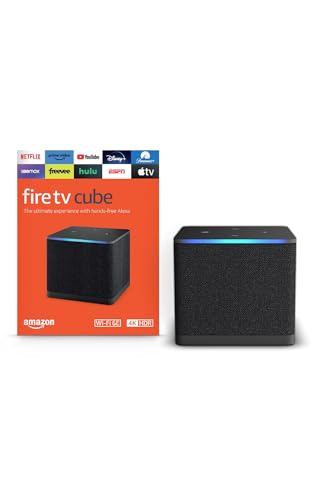

As an Amazon Associate we earn from qualifying purchases at no extra cost to you. Ratings are shown as listed on Amazon.
Quick comparison of the best 4K streaming devices
| Device | Typical market range | Video formats | Storage | Wireless | Approximate power while streaming | Best for |
|---|---|---|---|---|---|---|
| Google TV Streamer (4K) | $90–$110 | 4K HDR, Dolby Vision, HDR10+, HDR10, HLG | 32GB | Wi-Fi 5, Ethernet | About 2–4W | Most households wanting a balanced, easy-to-organize interface |
| Apple TV 4K (3rd generation) | $120–$150 | 4K Dolby Vision, HDR10+, HDR10, HLG | 64GB or 128GB | Wi-Fi 6; Ethernet on 128GB model | About 3–6W | Fast performance, Apple services, gaming, and long-term smoothness |
| Roku Streaming Stick 4K | $35–$70 | 4K HDR, Dolby Vision, HDR10+, HDR10, HLG | Not user-expandable | Dual-band Wi-Fi 5 | About 2–4W | People who want a clear menu and minimal setup |
| Amazon Fire TV Stick 4K Max (2nd generation) | $45–$80 | 4K Dolby Vision, HDR10+, HDR10, HLG | 16GB | Wi-Fi 6E | About 2–5W | Alexa users, compatible smart-home systems, and congested Wi-Fi networks |
| NVIDIA Shield TV Pro | $180–$220 | 4K HDR, Dolby Vision, HDR10 | 16GB plus USB expansion | Wi-Fi 5; Ethernet | About 5–10W | Local media libraries, Plex, upscaling, and advanced users |
Power figures are approximate operating ranges rather than manufacturer-rated consumption. Brightness, network activity, USB accessories, and background processes can change the result. Streaming devices generally use far less electricity than televisions, sound systems, or game consoles, so replacing a functioning device solely for a small power saving may not be the greener choice.
Head-to-head: which device fits your viewing habits?
Google TV Streamer: the best all-rounder
The Google TV Streamer is a strong choice when several people share one television and need recommendations, apps, and profiles in one place. Its 32GB of storage is unusually generous for a streaming box, leaving more room for apps and games than most low-cost sticks. Ethernet is built in, which can help a television located far from a wireless router.
Google TV’s strength is organization. It combines services into a central home screen instead of forcing you to open each app separately. That saves time, although some viewers may prefer Roku’s more neutral, app-first layout. Google Assistant voice search works well for finding a title or actor, and the device can also act as a smart-home control point for compatible equipment.
Apple TV 4K: the fastest and least frustrating
Apple TV 4K remains the premium pick for responsiveness. Its A15 Bionic processor makes opening apps, switching profiles, scrubbing video, and running games feel quicker than on most streaming sticks. The interface is clean, and Apple’s color calibration feature can use a compatible iPhone to help adjust television output.
Choose the 128GB version if you expect to install games or want Ethernet. The 64GB model is sufficient for ordinary streaming, but Apple does not provide expandable storage. Siri voice control is convenient for searches and playback, while AirPlay is useful if your household regularly shares video or photos from Apple devices.
The main drawbacks are price and ecosystem preference. Apple TV is less compelling if you want the cheapest route to a single service, and its recommendations may feel less unified across competing subscriptions than Google TV’s.
Roku Streaming Stick 4K: the easiest budget recommendation
Roku’s interface is one of the simplest for first-time users: installed services appear as clear tiles, and settings are easy to locate. The Streaming Stick 4K supports Dolby Vision and HDR10+, so it is not limited to basic 4K HDR despite its low price.
Its compact stick format is useful when the television is wall-mounted or has little shelf space. The included wireless receiver is built into the power cable, so do not hide the entire assembly behind a metal television mount if signal strength is marginal. Roku voice search is practical for titles and apps, but it is not as deeply integrated with a broader smart-home platform as Alexa, Siri, or Google Assistant.
Fire TV Stick 4K Max: the wireless and Alexa specialist
The Fire TV Stick 4K Max is attractive in homes already using Alexa speakers, Ring products, or other compatible smart-home devices. Wi-Fi 6E support can reduce congestion when paired with a Wi-Fi 6E router and a relatively clear 6GHz signal. However, 6GHz has shorter range and weaker wall penetration than 5GHz, so the feature does not automatically mean better performance in every room.
The interface emphasizes recommendations, subscriptions, rentals, and promotional content. Some users appreciate the extensive content discovery; others find it busier than Roku or Apple TV. Alexa voice search is excellent for hands-free navigation, but review privacy settings before enabling microphones on connected household devices.
NVIDIA Shield TV Pro: for local media rather than simple streaming
The Shield TV Pro is older than the other recommendations, but its Tegra X1+ processor, AI-assisted upscaling, Ethernet, USB ports, and expandable storage make it unusually capable for Plex servers, network media libraries, and advanced home theater setups. It is overkill for someone who mainly watches two subscription services.
It also uses more electricity than a basic stick and costs more. For green ownership, its strongest argument is longevity: keeping a capable device for many years can be less wasteful than replacing inexpensive sticks frequently.
Decision matrix
| Your situation | Best match | Why | Trade-off |
|---|---|---|---|
| Lowest reasonable cost | Roku Streaming Stick 4K | 4K Dolby Vision and a simple interface at a low market price | Less storage and fewer advanced smart-home features |
| Several subscriptions and mixed experience levels | Google TV Streamer | Unified recommendations, profiles, and generous 32GB storage | More content promotion on the home screen than some users prefer |
| Daily use, gaming, and maximum responsiveness | Apple TV 4K | A15 processor and polished navigation | Highest entry price; no storage expansion |
| Alexa or a congested wireless network | Fire TV Stick 4K Max | Alexa integration and Wi-Fi 6E capability | 6GHz range varies, and the interface is busy |
| Local files, Plex, or USB storage | NVIDIA Shield TV Pro | Ethernet, USB ports, expandable storage, and strong upscaling | Higher cost and power use |
Picture formats: do Dolby Vision and HDR10+ matter?
Dolby Vision and HDR10+ use dynamic metadata, allowing compatible content to adjust brightness information scene by scene. Standard HDR10 uses static metadata, while HLG is commonly associated with broadcast or live content. A device supporting more formats is useful only when both your television and the streaming service support the same format.
Check your television’s specifications before paying extra. For example, if the television supports HDR10 but not Dolby Vision, a Dolby Vision stream normally falls back to another supported format. A certified high-speed HDMI cable is generally sufficient for 4K streaming; buying an expensive specialty cable will not improve picture quality when the existing cable works reliably.
Wi-Fi, processor speed, and the hidden causes of buffering
Processor speed affects menus and app loading, not the internet speed delivered to a video stream. A rough target is 25 Mbps of sustained internet speed for one 4K stream, with extra capacity for other household traffic. Wireless placement matters more than a premium specification: keep the device away from enclosed metal cabinets, crowded power strips, and large appliances.
If buffering occurs, test three things in order:
- Run a speed test near the television, not only beside the router.
- Try Ethernet if the device and router are close enough for a cable.
- Restart the router and streaming device, then update the device software and the affected app.
A wired connection can be the most sustainable fix when it prevents repeated replacement of otherwise functional hardware. It also avoids using a wireless signal for a stationary device.
Power use and ownership costs
Suppose a streaming stick averages 3 watts while operating for four hours each evening. The annual energy use is about 4.4 kilowatt-hours: 3 watts × 4 hours × 365 days ÷ 1,000. At $0.20 per kilowatt-hour, that is roughly $0.88 per year. A 7-watt streaming box used for the same schedule would cost about $2.04 annually at that rate.
The bigger ownership issue is replacement. Remote controls, HDMI cables, power adapters, and USB power ports often become problems before the processor does. Keep the original power adapter where possible, avoid sharply bending the cable, and do not power a demanding box from an underpowered television USB port. A television’s USB port may turn off with the screen or provide insufficient current, causing random reboots.
Clean ventilation openings twice a year with a soft, dry brush or compressed air used according to its instructions. Do not spray liquid onto the device. Sticks generally have no user-replaceable batteries; the remote is often the first consumable component. Replacing its batteries and keeping the device updated is preferable to discarding the whole unit.
Bottom line
Buy the Google TV Streamer for the most balanced combination of storage, formats, Ethernet, and accessible organization. Choose Apple TV 4K when speed, gaming, and a refined interface justify the higher price. Pick Roku Streaming Stick 4K for inexpensive, uncomplicated 4K viewing. Select Fire TV Stick 4K Max when Alexa and compatible Wi-Fi 6E equipment are central to your home. For local media and long-term home-theater flexibility, the NVIDIA Shield TV Pro remains the specialist option.







Write Your Review
No reviews yet. Be the first to share your experience!