

Key takeaways
- You start a low-waste kitchen by reducing what you throw away before you buy anything new: plan meals, store food so it lasts.
You start a low-waste kitchen by reducing what you throw away before you buy anything new: plan meals, store food so it lasts, and use up scraps and leftovers. Containers, cloths and compost bins come second, and most of them you can source from things you already own.
Why Food Waste Comes Before Packaging Waste
When people hear “low waste,” they often picture a pantry full of matching glass jars. In practice the biggest source of kitchen waste in most homes is food that spoils uneaten, followed by packaging, then single-use items like paper towels and cling film. Tackling spoilage first saves money, reduces the garbage bag count and gives you the confidence to move on to the harder steps.
Think of the kitchen as a loop with four stages: what you buy, how you store it, how you cook it and what you do with what is left. A change in any one stage affects the others. If you shop with a plan, you store less. If you store well, you cook more of it. If you cook with scraps in mind, there is less left to discard. Starting with this loop keeps you from buying equipment you do not need.
Perfection is not the goal. A kitchen that produces half as much trash as before is a real success, and it is easier to keep up than a strict system that collapses after a busy week.
Step One: Do a Kitchen Waste Check
For one week, keep a note on the fridge door or the trash bin. Each time you toss something, write down what it was and why: spoiled, stale, leftover plate scrapings, packaging, or single-use item. At the end of the week you will see a pattern. Maybe the same half bag of salad greens goes bad every Thursday, or you throw out heels of bread, or you use a lot of paper towels for small spills.
That list becomes your to-do list. Fix the top two problems first. If greens are the issue, buy smaller amounts or learn to store them wrapped in a cloth. If bread is the issue, freeze slices as soon as you get home. The check takes five minutes a day and prevents the common mistake of solving problems you do not actually have.
Building the Habits That Matter
Plan, shop and store with intention
Write a short meal plan before you shop and check what is already in the fridge, freezer and pantry. Buy loose produce when possible, bring your own bags and containers if the store allows it, and choose larger sizes of items you use constantly. At home, give each type of food the right storage: herbs upright in a jar of water, leafy greens in a dry cloth, bread in the freezer, and older items moved to the front. A fridge you can see into is a fridge you can use up.
Cook with the whole ingredient
Many scraps are edible or useful. Vegetable peels and ends can go into a freezer bag for stock. Stale bread becomes breadcrumbs or croutons, wilting vegetables turn into soup or a stir-fry, and overripe fruit works in baking or smoothies. Plan one “use it up” meal per week, and let that meal absorb the odds and ends. Follow food safety basics: cool leftovers promptly, refrigerate within a couple of hours, and when you are unsure about whether something is still safe, do not eat it.
Replace single-use items gradually
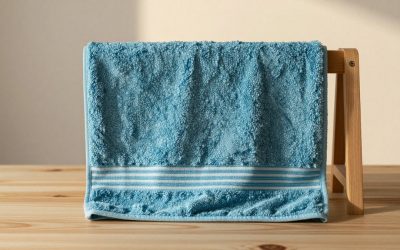
Cloth towels and washable rags can take the place of most paper towels, and a bowl with a plate on top can do the work of cling film. Beeswax-style or fabric covers, jars with lids, and reusable bags all help. Use what you already own before buying anything, and replace items as they wear out. A small stack of cloths in a drawer is often enough to change the habit.
Handle the scraps that remain
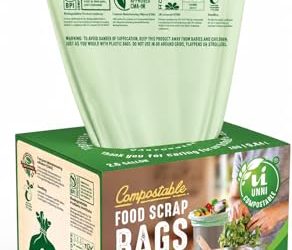
Whatever cannot be eaten can often be composted. A countertop caddy feeds a backyard bin, a municipal food scrap pickup or a drop-off program, depending on where you live. If you have no composting option, check local rules before putting food scraps in a disposal or bin, and keep meat and dairy out of home compost unless your system is designed for them.
A First-Weekend Fridge and Pantry Reset
A single afternoon of resetting your storage can prevent weeks of waste. Pull everything out of the fridge, wipe the shelves and put the oldest items at the front. Group similar foods together, with a small bin for things that need to be eaten soon. In the pantry, check dates, combine half-empty packages of the same item, and move anything you tend to forget about to eye level. Open items such as flour, rice and nuts last better in sealed jars or tubs, and a label with the date helps you rotate stock.
Freeze with purpose. Slice and freeze bread, portion cooked grains, and keep ripe bananas for baking. Label bags with the contents and the date, since unlabeled freezer food is the kind most likely to be thrown out later. Once the reset is done, the weekly routine is simple: look before you shop, use the front-of-fridge bin first, and let leftovers become tomorrow’s lunch instead of tonight’s trash.
Common Mistakes
New low-waste cooks often fall into a few predictable traps. One is buying in bulk without a plan, which turns a good intention into a pile of spoiled food. Another is chasing a perfect, photo-ready pantry when jars from last week’s groceries do the same job. A third is ignoring the household: if the rest of the family cannot find the cloth towels or does not know which bin holds scraps, the system will fail quietly. Explain the setup, label things clearly and keep the routine easy enough that a guest could follow it.
Finally, avoid guilt. A forgotten container at the back of the fridge is a signal to adjust your storage or your meal plan, not a reason to quit. Treat each wasted item as information, and your kitchen gets leaner every month.
What to Buy, Keep and Skip
| Category | Start with | Wait on |
|---|---|---|
| Storage | Jars and tubs you already own | Matching sets of new containers |
| Cleaning | Washable cloths and a scrub brush | Specialty gadgets for one job |
| Shopping | A few sturdy reusable bags | A large collection of produce bags |
| Food scraps | A bowl or caddy and a freezer bag for stock | Expensive composting equipment |
| Cooking | A weekly use-it-up meal | Recipes that need many one-time ingredients |
| Pantry | Bulk staples you use constantly | Large quantities of rarely used items |
Before You Start
- Do a one-week waste check and note the top two items you throw out.
- Make a short meal plan and look in the fridge before shopping.
- Clear space in the freezer for bread, stock scraps and leftovers.
- Gather jars, tubs and cloths you already have before buying anything.
- Find out which composting or food scrap options exist where you live.
- Set a weekly day for a use-it-up meal.
Keeping It Going
Review the waste check every month or two. New problems appear as seasons and schedules change, and a quick look tells you whether your habits still fit your life. Set up the kitchen so the easy choice is the low-waste choice: put the cloth towels where the paper towels used to be, keep the stock bag at eye level in the freezer, and label leftovers with a date. In 2026 and beyond, the households that keep this up are usually the ones that kept it simple.
Related guides
- Glass Spray Bottles For Homemade Cleaners
- Insulated Stainless Steel Water Bottles
- How To Reduce Household Plastic Room By Room
Frequently Asked Questions
Do I need to buy special containers to start?
No. Jars from sauces, tubs from takeout and plates used as lids all work. Add new items only when you find a real gap.
How can I reduce food waste if I live alone?
Plan fewer meals, freeze portions, and buy smaller amounts of fresh items. Cook once and freeze half, which turns a potential leftover into a ready meal later.
Is composting required for a low-waste kitchen?
It helps, but it is not required. Preventing waste through planning and storage reduces more than composting does, and composting is a good next step when you have a place to do it.
What should I do if I have little time?
Choose one habit, such as freezing bread or planning dinners for the week, and add another when the first one feels natural. Small steps still lower the amount you throw away.
More from Amazon
Programs that pair well with the guide above. Offers and eligibility are set by Amazon and may change.
Free shipping on eligible items, Prime Video and more. Eligible new members can start with a free trial.
Start a Prime free trialA Prime membership for ages 18-24 with a trial period. Eligibility is set by Amazon.
See Prime for Young AdultsAudiobooks and podcasts to listen to on the go. Eligible new members can start with a free trial.
Try Audible freeAd-free music streaming. Eligible new subscribers can start with a free trial.
Try Music Unlimited freeAs an Amazon Associate we earn from qualifying purchases.

Write Your Review
No reviews yet. Be the first to share your experience!