

Key takeaways
- Compare electric pressure cookers and slow cookers on energy use, cooking time, and food waste, with five models that fit a low-waste, sustainable kitchen.
A pot that cooks dinner in under an hour sounds like the obvious sustainable choice, yet the slow cooker in many kitchens has a quiet case of its own. Both turn raw ingredients into meals with little attention, and both cut food waste by making batch cooking easier. The difference lies in energy use, daily routine, and which meals each handles best. A pressure cooker seals in steam, so beans, grains, and stews finish fast. A slow cooker holds food at a gentle simmer for hours while the cook is away. Neither is wasteful by nature. The better choice depends on household size and cooking habits. This guide compares the two styles, then looks at five models, three pressure cookers and two slow cookers.
As an Amazon Associate, we earn from qualifying purchases.
Quick answer
An electric pressure cooker suits cooks who want dinner fast, use dried beans and grains often, and like batch cooking in one pot. A slow cooker suits cooks who leave home in the morning, prefer set-and-forget meals, and value gentle, hands-off simmering. For many low-waste kitchens, one of each is overkill, and a multi-cooker with a slow-cook mode covers both needs.
How the two styles compare
Energy use is the first place the styles part ways. A pressure cooker draws higher wattage, often around one thousand watts for a six-quart model, but runs for a much shorter time. Dried beans that need hours on a stove can be ready in under an hour, and the sealed lid keeps heat and moisture inside. A slow cooker draws far less power, often around two hundred watts on low, yet may run for six to eight hours. Over one meal, the pressure cooker usually uses less total energy, because the shorter run outweighs the higher draw.
Cooking time shapes daily life just as much as energy. Pressure cooking rewards a cook who is home in the late afternoon and wants dinner soon after arriving. It suits batch cooking, since a large pot of soup or stew can be portioned and frozen for later. Slow cooking rewards planning in the morning, when ingredients can be loaded into the crock and left alone. That rhythm suits shift workers and parents with crowded evenings. A slow cooker is hard to speed up once the day starts, while a pressure cooker can rescue a forgotten meal, though it still needs time to build and release pressure.
Food waste is where both earn a place in a sustainable kitchen. Both make it easy to cook dried beans, lentils, and whole grains from bulk bins, cutting packaging from canned and boxed foods. Both turn trimmings and bones into stock, and both handle large cuts that might otherwise be passed over. A slow cooker turns a whole chicken or a large roast into several meals. A pressure cooker cooks small amounts quickly, so a cook can prepare exactly what is needed for one meal. The appliance that reduces waste most is the one used every week, not the one with the most functions.
Durability matters too. Stainless steel inner pots last longer than coated pots, resist staining, and go in the dishwasher. Glass lids let a cook check a slow cooker without losing heat. Removable stoneware crocks are heavy, and that weight helps a thick crock hold heat evenly. Replaceable sealing rings are useful on pressure cookers, because a worn ring is the part most likely to need replacing. Choosing a model with spare parts keeps a working cooker out of landfill for years longer.
Instant Pot Duo 7-in-1 Electric Pressure Cooker, 6-Quart

Type: Electric pressure cooker
The Instant Pot Duo made the multi-cooker a household staple. One appliance replaces a pressure cooker, slow cooker, rice cooker, steamer, saute pan, yogurt maker, and food warmer, so fewer single-purpose gadgets take up shelf space. The six-quart size suits families and batch cooks, holding enough soup or stew for several meals. Its stainless steel inner pot is durable, easy to clean, and free of nonstick coating. Thirteen one-touch programs cover soups, beans, rice, and yogurt, while manual settings leave room for other recipes. The slow-cook function heats from the base rather than surrounding the crock, so cooks who slow cook often may still prefer a separate appliance. For a household that wants one cooker to do most jobs well, the Duo remains a strong starting point.
Instant Pot Duo Plus 9-in-1 Electric Pressure Cooker, 6-Quart

Type: Electric pressure cooker
The Duo Plus adds sous vide and sterilizer functions, a clearer display, and a quieter steam release. Its nine functions cover pressure cooking, slow cooking, rice, yogurt, steaming, sauteing, sterilizing, warming, and sous vide, giving a low-waste kitchen more ways to cook from scratch. Sterilizing suits households that make yogurt or home preserves, while sous vide helps prepare precise portions without overcooking. The six-quart stainless steel pot matches the Duo for family meals, and the inner pot is dishwasher safe. The display shows progress in plain steps, so there is less guesswork about when pressure has built. Like the Duo, its slow-cook mode is useful for occasional use rather than daily slow cooking.
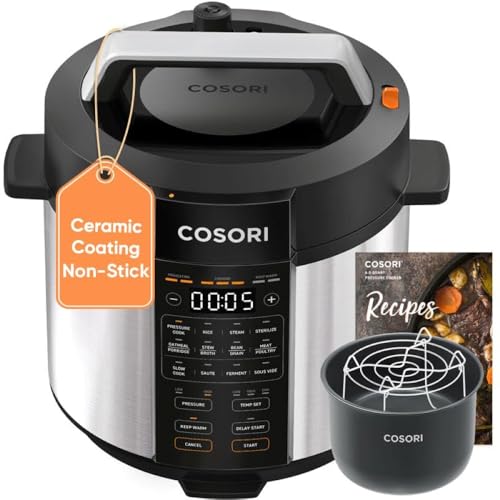
COSORI Electric Pressure Cooker, 6-Quart, 9-in-1
Type: Electric pressure cooker
The COSORI six-quart cooker offers a ceramic-coated inner pot and a venting design that keeps steam directed away from hands and cabinets. Its nine functions include pressure cooking, slow cooking, rice, sous vide, sauteing, and sterilizing, covering the same ground as better-known multi-cookers with a nonstick-style surface for rice and grains. The ceramic coating releases food easily and wipes clean with little effort, suiting cooks who make sticky rice, oatmeal, or sauces often. The stainless steel exterior resists fingerprints. The six-quart capacity serves a family, and the steam rack lets a cook prepare vegetables above grains in one run. Coated pots need gentler care than bare steel, so avoid metal utensils and harsh scrubbing to keep the surface in good shape.
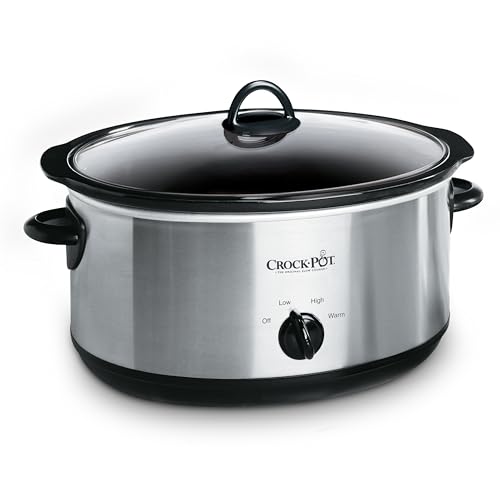
Crock-Pot 7-Quart Manual Slow Cooker, Stainless Steel
Type: Slow cooker
The Crock-Pot seven-quart manual slow cooker is deliberately simple, and that simplicity is its strength. A dial with high, low, and warm settings is all it needs, with no display to fail and no programming to learn. The seven-quart oval stoneware crock fits a whole chicken, a large roast, or a double batch of soup, serving eight or more people from one pot. That size suits batch cooking, potlucks, and families that cook once and eat twice. The stoneware insert and glass lid are dishwasher safe, and the insert can go into a conventional oven for finishing a dish. At around two hundred watts, it draws little power, and the gentle heat is ideal for dried beans, tough cuts, and root vegetables. The cook must switch it to warm by hand, so it suits households where someone is home to check dinner.
Hamilton Beach Set and Forget 6-Quart Programmable Slow Cooker, 33969A

Type: Slow cooker
The Hamilton Beach Set and Forget adds programming without adding complexity. A temperature probe is its standout feature, letting the cook set a target temperature for meat and letting the cooker switch to warm when that temperature is reached. That helps avoid overcooked roasts and wasted food, since dinner holds at serving temperature instead of drying out. The six-quart crock suits family meals, and the lid locks for transport, making it practical for potlucks. Flexible programming allows high, low, and warm settings with a countdown timer, fitting both a full workday and a shorter afternoon. The removable crock and glass lid are dishwasher safe, and the steel housing wipes clean after a long simmer.
How to choose
Start with the daily routine, not the feature list. A cook home in the late afternoon will use a pressure cooker several times a week, while a cook who leaves early will get more use from a slow cooker. A six-quart pot suits most families, while a seven-quart slow cooker is better for large batches. Look for a stainless steel inner pot on a pressure cooker, because it lasts longer, and a heavy stoneware crock on a slow cooker, because it holds heat evenly. Check that replacement sealing rings and lids are available, since a small spare part can extend an appliance by years. A multi-cooker that replaces several gadgets earns its shelf space, while a second large cooker may sit unused.
Who should skip
A pressure cooker is not right for a cook who dislikes sealed lids, steam release, and waiting for pressure to build. It also suits small kitchens poorly, since a six-quart cooker needs counter and storage space. A slow cooker is not right for a cook who rarely plans meals in advance, since its best results come from loading ingredients hours before dinner. Households that eat out most nights, cook for one, or rely on quick stovetop meals may find either appliance gathering dust. Cooks with limited mobility should weigh the weight of a full stoneware crock, which can be heavy to lift when it holds a large meal.
FAQ
Is an electric pressure cooker more energy efficient than a slow cooker?
For most single meals, yes. A pressure cooker draws more power while it runs, but finishes in a fraction of the time, so total energy use is usually lower. A slow cooker draws little power, yet runs for many hours, which narrows the gap for long simmers.
Can a multi-cooker replace a slow cooker completely?
A multi-cooker with a slow-cook mode can handle many slow-cooked meals, especially soups, beans, and stews. Dedicated slow cookers still simmer more evenly over a full day, because heat surrounds the crock rather than rising from the base alone.
Which cooker is better for dried beans and grains?
A pressure cooker is faster for dried beans, lentils, and whole grains, and needs no soaking for many varieties. A slow cooker also handles beans well, but needs longer cooking and more planning, which suits a cook who starts dinner in the morning.
How do I keep a pressure cooker or slow cooker out of landfill?
Choose a model with a durable pot, a replaceable sealing ring, and spare lids available from the maker. Clean the pot promptly, avoid metal utensils on coated surfaces, and store the appliance with the lid ajar so seals and crocks stay in good shape.
Final verdict
For most sustainable kitchens, an electric pressure cooker is the more versatile first purchase, because it cooks dried beans, grains, and stews quickly, uses less energy per meal, and replaces several single-purpose appliances. The Instant Pot Duo is the simplest place to start, the Duo Plus adds useful functions for cooks who make yogurt or preserves, and the COSORI offers easy cleanup. A slow cooker still earns its place for households that plan meals in the morning and want dinner waiting when they return, and the Crock-Pot manual model and the Hamilton Beach Set and Forget both do that job well. The best choice is the cooker that matches the household routine closely enough to be used every week.
More from Amazon
Programs that pair well with the guide above. Offers and eligibility are set by Amazon and may change.
Free shipping on eligible items, Prime Video and more. Eligible new members can start with a free trial.
Start a Prime free trialA Prime membership for ages 18-24 with a trial period. Eligibility is set by Amazon.
See Prime for Young AdultsAudiobooks and podcasts to listen to on the go. Eligible new members can start with a free trial.
Try Audible freeAd-free music streaming. Eligible new subscribers can start with a free trial.
Try Music Unlimited freeAs an Amazon Associate we earn from qualifying purchases.
Write Your Review
No reviews yet. Be the first to share your experience!