

Key takeaways
- Break large cinnamon sticks and dried chilies into smaller pieces before grinding.
- Grind dry ingredients only; moisture can create clumps and stress the motor.
- Use short pulses with a blade model to reduce heat.
- Pause if the motor housing becomes noticeably hot or the smell changes.
- Do not grind more than the manual’s stated capacity.
The best electric spice grinders for most kitchens are compact blade models with a removable stainless-steel bowl, while burr grinders are the better choice when uniform particle size matters more than low cost and easy storage.
Our top picks
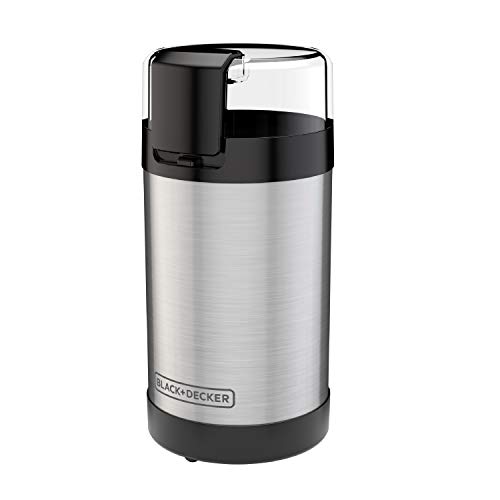


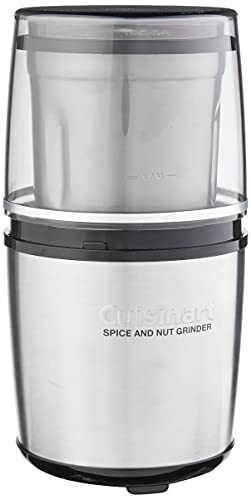
As an Amazon Associate we earn from qualifying purchases at no extra cost to you. Ratings are shown as listed on Amazon.
Quick picks by cooking situation
| Situation | Best grinder type | Useful target specifications | Why it fits |
|---|---|---|---|
| Occasional home cooking | Blade grinder | 150–200 W; 60–90 g bowl; 1–2 pulse speeds | Lowest purchase cost and enough capacity for most recipes |
| Frequent whole-spice use | Higher-power blade grinder with removable bowl | 200–300 W; 70–120 g bowl; stainless-steel interior | Handles repeated small batches and is easier to clean between spices |
| Consistent spice blends | Dedicated burr grinder | 40–100 g hopper; 20–40 grind settings; low-speed motor | Produces a more repeatable grind for rubs, masalas, and dry seasonings |
| Small kitchen or limited storage | Mini blade grinder | 100–150 W; 30–60 g capacity; under 1.5 kg | Small footprint and quick to put away |
| Shared coffee-and-spice equipment | Separate grinder for spices | Any suitable mechanism; removable, washable cup preferred | Reduces flavor transfer between coffee, chilies, and aromatic seeds |
Blade versus burr: the most important choice
Blade grinders
A blade grinder uses a fast spinning metal blade to chop ingredients. It is usually the most affordable option and is effective for peppercorns, cumin, coriander, fennel, mustard seed, dried chilies, cinnamon pieces, and small amounts of nuts or seeds.
The limitation is uneven particle size. Larger pieces tend to remain near the top while fine powder collects beneath the blade. Pulse operation improves the result: shake the bowl gently between short bursts rather than running the motor continuously. A blade grinder is a practical choice when a recipe is forgiving or when you will sift the mixture afterward.
Blade grinders also heat the contents more quickly during long runs. That matters for aromatic spices because extended friction can dull their fragrance. Short pulses with pauses are preferable to a single continuous grind.
Burr grinders
A burr grinder crushes spices between two textured surfaces, then releases particles through a calibrated gap. The result is generally more uniform, and the grind setting can be repeated for different recipes. Burr models are especially useful for dry rubs, spice blends, and cooks who want a coarse, medium, or fine texture with less guesswork.
They cost more, take up more counter space, and often have narrow pathways where powder can collect. Many coffee-oriented burr grinders are not designed for oily ingredients, sticky spice pastes, or large pieces of cassia bark. Choose a model specifically rated for dry spices if possible.
| Feature | Blade mechanism | Burr mechanism |
|---|---|---|
| Typical price range | $20–$60 | $70–$250 or more |
| Typical capacity | 30–120 g | 40–100 g hopper or chamber |
| Particle consistency | Mixed, improved by pulsing | More consistent and adjustable |
| Cleaning access | Ranges from difficult to very easy with a removable bowl | Usually more involved because of burrs and chutes |
| Best use | Everyday small batches and occasional grinding | Repeatable blends and frequent, controlled grinding |
| Main drawback | Uneven texture and possible heat buildup | Higher cost, larger footprint, and more retained powder |
Bowl material and cleaning access
A removable stainless-steel bowl is the best all-around design for spice grinding. Stainless steel does not absorb aromas as readily as some plastics, tolerates repeated wiping, and is less likely to stain from turmeric or chili. A removable bowl also lets you empty powder without turning the entire motor housing upside down.
Plastic bowls can be lighter and less expensive, but scratches and discoloration are more noticeable over time. They may also retain strong odors. A glass bowl is odor-resistant and easy to inspect, but it adds weight and can break if dropped or knocked against a sink.
Do not assume that “removable” means dishwasher-safe. Check the manufacturer’s instructions before placing a bowl, lid, or gasket in a dishwasher. Water entering the motor base is a more serious ownership problem than spice residue. For a fixed bowl, use a dry brush or a barely damp cloth, then allow the chamber to dry fully before the next use.
Capacity: bigger is not always better
Capacity labels describe the physical bowl, not necessarily the ideal working load. Dense ingredients and larger pieces need room to move. Filling a 100-gram bowl to the rim can leave whole seeds circulating above the blade or prevent a burr grinder from feeding smoothly.
For ordinary household batches, a 60–90 gram working capacity is usually sufficient. It can produce several tablespoons of ground spice without encouraging overfilling. A 30–50 gram chamber suits occasional cooking and minimizes stale leftovers. A 100–150 gram chamber is useful for batch preparation, but it can tempt you to grind more than you will use while the aroma is at its peak.
As a practical calculation, suppose a recipe uses 2 teaspoons of ground cumin, roughly 4–6 grams depending on the grind. A 60-gram working capacity could produce about ten to fifteen such portions, but grinding only 10 grams at a time is usually better for freshness and more even movement in a blade bowl.
Grind control and operating technique
Look for a pulse button or pressure-sensitive lid on a blade model. These controls give you more useful control than a single long-run switch. Start with five one-second pulses, inspect the texture, then add one-second pulses until the desired result is reached.
Burr models should offer clearly marked settings and a way to adjust the dose. If the adjustment collar moves easily or lacks numbered positions, repeating a successful recipe becomes harder. A timer or dose control is helpful, but it does not replace checking the actual texture of fibrous ingredients such as dried rosemary or bay leaf.
- Break large cinnamon sticks and dried chilies into smaller pieces before grinding.
- Grind dry ingredients only; moisture can create clumps and stress the motor.
- Use short pulses with a blade model to reduce heat.
- Pause if the motor housing becomes noticeably hot or the smell changes.
- Do not grind more than the manual’s stated capacity.
Preventing cross-contamination between flavors
A spice grinder can transfer more than a little powder. Chili, cloves, star anise, coffee, and toasted sesame can leave strong aromas that affect the next batch. The safest arrangement is one grinder reserved for spices and another reserved for coffee or other ingredients.
If you have only one appliance, process mild ingredients first and strongly flavored ingredients last. Remove the bowl when possible, brush out visible particles, and wipe the lid seal and underside. A small amount of uncooked rice is sometimes recommended for loosening dry residue, but it is not a substitute for cleaning and should only be used if the manufacturer permits it; hard grains may damage some mechanisms.
For allergy-sensitive households, a shared grinder is a poor choice unless every food-contact part can be fully removed and washed. Fine powders can remain in seams, gaskets, burr housings, and lid grooves even after the visible bowl looks clean. Follow the relevant food-safety advice for the allergen involved.
Durability and ownership realities
In blade grinders, the first problems are commonly a worn lid switch, a dull or loose blade assembly, cracked plastic around the bowl, or a motor that overheats after repeated long runs. In burr grinders, burr wear, blocked chutes, retained powder, and adjustment mechanisms are more important concerns. Replaceable burrs are a valuable feature if you plan to grind frequently.
Pay attention to the warranty, replacement-bowl availability, cord storage, and whether the lid seal can be purchased separately. A grinder that costs $35 but needs replacement every two years may be less economical than a $90 model with a durable bowl and available parts.
For example, a $40 blade grinder used twice weekly for three years costs about 13 cents per use before electricity. A $120 burr grinder used five times weekly for three years costs about 15 cents per use. The higher-priced machine can therefore make sense for frequent users, but not necessarily for someone who grinds spices once a month.
Which one should you buy?
Choose a removable-bowl blade grinder if you want the lowest cost, compact storage, and quick grinding for ordinary recipes. Choose a burr grinder if repeatable texture is central to your cooking and you are willing to spend more time cleaning the feed path. Whichever mechanism you select, prioritize a stainless-steel or otherwise non-porous food-contact surface, a realistic working capacity, pulse or numbered grind control, and a cleaning design that prevents old flavors from hiding in the machine.





Write Your Review
No reviews yet. Be the first to share your experience!